Bebopper, tinker, tailor
For jazz players, the side hustle is a given

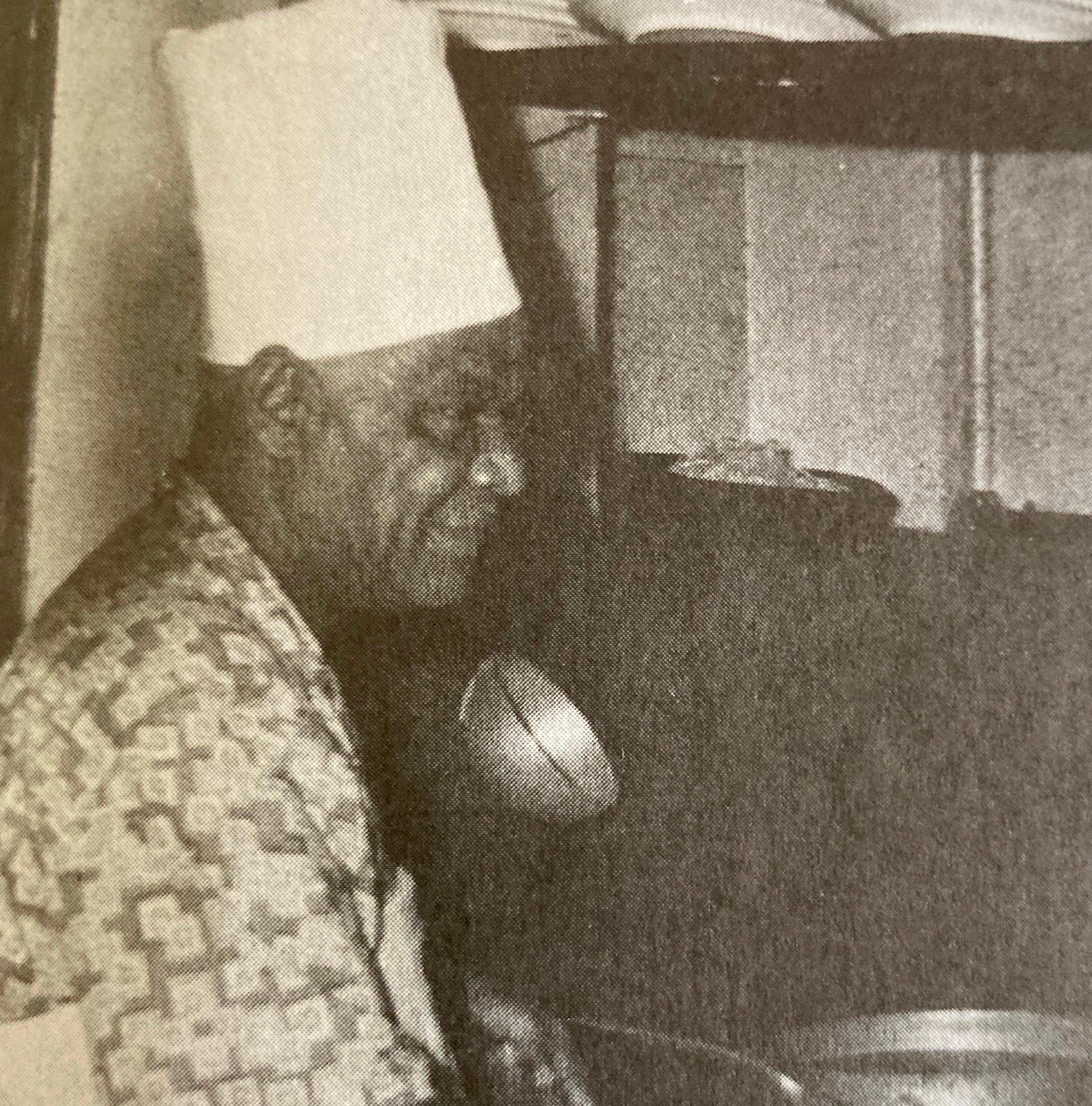
In the early 1930s, Sidney Bechet felt he was unfairly compensated for his instrumental work. He asked his bandleader, Noble Sissle, for a significant raise, half-knowing Sissle would refuse. Sissle wouldn’t comply, so Bechet left the band.
For the pioneering saxophonist, the offers didn’t pour in. New York, still suffering through the Depression, was no longer full of thriving clubs that could afford five or six resident musicians; the few spots that maintained a live music policy usually made do with a solo pianist. And although Bechet had an ear second to none, most big-band leaders insisted that their musicians be proficient readers of music, which he wasn’t.
“What do you say we open up a tailor shop?” Bechet suggested to bandmate Tommy Ladnier, a knockout trumpeter. “All we have to do is get an apartment and do a lot of pressing early in the morning! After noon, all we have to do is put on one of those old pots of beans and stuff and get that good old King Kong whiskey, and we’ll have everybody coming around!”
Here were two great artists — one among the finest natural musicians America ever produced — pressing suits for a living. A few years later, during another lull in his career, Bechet seriously considered quitting full-time music again, at one point planning to open a quick-order hash house on Philadelphia’s South Side.
Day job
I’ve been fortunate to be resourceful and not too proud when employing my own skills. When I dropped out of Berklee College in the mid-1970s and sold my horns, I knew I had neither the time, natural ability or the bankroll to make it in the jazz world. In an outburst of flawed logic, I decided I might have better luck as a freelance writer.
Thus began decades as a scribbler, computer operator, lawn crew laborer and temp office worker before I finally settled behind a desk.
I’m hard-pressed to see a clear path for working jazz musicians. A small few ascend — through talent, practice, opportunity or luck. The rest assemble a life around the music.
Charles Mingus worked as a mail carrier when jobs were scarce. Wes Montgomery welded. Ornette Coleman ran an elevator. Bebop vocalist Sheila Jordan typed and filed as a legal secretary for four decades. The saxophonist Fred Anderson installed carpet when I met him for lessons at his home in Evanston. Tenor player Warne Marsh repaired electronics and cleaned swimming pools. Art Pepper, between engagements, hustled and thieved.
Today pianists Denny Zeitlin and David Janeway, as well as trumpeter Eddie Henderson practice psychiatry — perhaps not an unrelated profession to the jazz life.
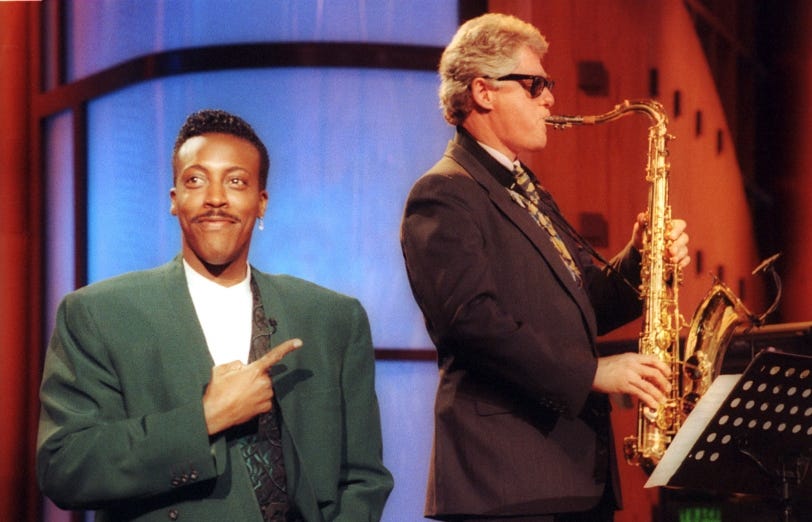
On the local circuit, players I know do “music adjacent” jobs like tune pianos, sell guitars, engineer sound, teach band, and serve as church organists. Just as many are lawyers, financial managers, landscapers, database managers — anything you can think of. Leonard Garment, a law partner of Richard Nixon and special consultant to the president, was known as “the hippest guy in the White House.” Garment was a professional musician who played clarinet and saxophone with jazz legends like Billie Holiday and Woody Herman. He famously played in a band alongside a young Alan Greenspan, who later became the chairman of the Federal Reserve. Saxophonist Bill Clinton even worked in the White House for a while.
Career etiquette
I remember going deep-sea fishing near Catalina Island a few decades ago, the only time I ever did it. I innocently asked one of the guys on the fishing boat what they did for a living. They winced. It was clear I had breached etiquette: “We can cast our rods together; this is something I do for love. Don’t mix it up with what I do during the day.” I caught a yellowfin tuna that day and that was a much better conversation starter.
Like fisher folk, for those dedicated to the music, the career doesn’t matter. It was never meant to. Ultimately, the side gig is beside the point.
Today, only a handful of jazz musicians are able to build a sustainable career at their craft. The shedding of thousands of jobs for writers, artists and musicians has left the rest of us with a directive: we are asked to become “creators.” But creators of what, exactly, when the platforms monetize everything except the artist?
So how to make a go of it? Sure, they can vie for one of those rare teaching gigs at a respectable institution. They can hustle for the wedding gigs and discos that haven’t been replaced by deejays and karaoke.
That’s why a “musicianer,” as Bechet called it, has to have a place inside himself. “You’ve got to say that to yourself. ‘I won’t have it; I’ve got the music and I don’t give a damn for the rest. I can be damn near broke but I’m still like the song says — rich as Rockefeller.’ What I’ve wished for, I got. It’s the music.”
“Musicians have got to have a skill, these days,” a friend griped, presumably something more than playing ii-V-I chord changes in all keys. Making jewelry? Sneaker repair? Golf ball recycling? Kosher catering?
Yet we keep playing — learning the standards, listening to Bird and Prez, putting ourselves out on the bandstand — finding that place inside yourself where the music, or the words, can’t be touched.

Yet we keep playing!
Duke Ellington had the ultimate hustle when he started out as a bandleader. His initial skill was hand painting signs and advertisements. So when he had a client lead, he would ask, “who is advertising your event?” And then the follow up question, “who is providing the music for your event?”