Ant trap
Hide the pie!

We had beautiful apples from our tree in the front yard. They are the pippin variety and when they are ready to fall they are a sweet thing to behold and partake. My wife Eve laboriously peeled and sliced them and put them into a pie crust, added butter, honey and other magic to create a mystical taste dream come true.
Cue the military music, a call to arms. The ants descended onto the flaky pastry, pound of butter, clover honey and sweet apples en masse. They smothered the warm pie, covering the terrain like living land mines. We both screamed. It was bleak, a blanket of tiny black ants moving like relentless tractors over the crust.
She had worked too hard to make this pie. She wiped off as many ants as she could with napkins, then covered the pie with foil and put it in the freezer. I was skeptical when she ate a piece a couple days later, claiming, if there were ants remaining, “they blended in with the brown sugar.”
The Argentine Ant
Italo Calvino’s short story “The Argentine Ant” has haunted me for decades. Launched by this perfect opening line: “When we came to settle here we did not know about the ants,” a family moves into a small coastal village in Argentina where every neighbor has a different, equally futile mechanical defense against the unstoppable insects, a particularly aggressive, fearsome variety.

Their neighbors are obsessed: They use bellows, pistons, brushes, sprays, “raising clouds of yellow dust, tiny beads of moisture, and a smell that was a mixture of a pharmacy and an agricultural depot.”
I was living Calvino’s story.
For years we cycled through home remedies. Smothering the workers by the hundreds with wet paper towels. Prophylactic measures, like wrapping food in Ziploc bags, bread and open cereal in the refrigerator. We cleaned with rosemary-scented liquids and googled “holistic ant removal.” We laid out a plateful of sugar and Borax like a sacrament.
That one worked best, for a while. We’d watch the ants swarm it, form their orderly lines, and then vanish for a few blessed weeks.
But it was hit or miss. I spent hours with paper towels and window cleaner, wiping out visible columns like a minor dictator. I felt the illusion of dominance. Short-lived. It wasn’t. Killing the workers at the sink or stove didn’t touch the source. There were too many of them, too hungry, too dedicated, too biologically wired in to ever surrender. The colony might retreat, but it persisted, hidden somewhere in the walls, strategizing.
I sensed they were laughing at us, swarming soap, toothpaste, salt shaker and the toaster, descending on anything not triple-sealed.
Attacking the queen
That’s when I began thinking less about the ants I could see and more about the one I couldn’t: the queen.
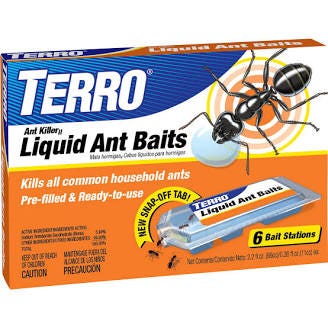
There are really two kinds of products. Irritants — sprays and oils — kill on contact or drive ants away. Liquid bait traps let the swarm feed undisturbed, drawing a conga line of feeder ants eager to bring the nectar home to mama.
The ants carry a slow-acting toxin — fipronil or hydramethylnon — back to the nest, where it is “approved,” shared, and ultimately delivered to the queen. They are one happy group, promenading to the trap to bring the prize home.
It is a bit of a dark irony: In the queen’s eyes, this isn’t a threat — it’s the ultimate tribute. Because she is the most protected member of the colony, she is the last to eat, receiving only what the workers have vetted as safe.
Bug researchers1 call this a “Trojan Horse” approach. The goal is to create a “poison treat” that looks, smells, and tastes like a high-value nutrient. Academic papers use this metaphor to describe how invasive ants are tricked into delivering toxins to their queen.
This worked great earlier this year. When a new colony erupted in the laundry room, I spread the traps on the floor and stuck some with adhesive on the wall. The ants acted predictably and are now gone.
Have we a remedy?
When we first saw the ants in the tub last week we were pretty sure we could handle it. We laid out the bait traps; they came, they ate, they returned. We waited 48 hours and they seemed to disappear entirely.
But wait. There were new ants again today. Is this a new colony? Have they adjusted to the fipronil or hydramethylnon? Should we try something else? Should we just leave them in peace?
In Calvino’s “The Argentine Ant,” the neighbors laugh as they show off their powders and inventions. “Have we a remedy? We’ve twenty remedies! A hundred… each, ha, ha, ha, each better than the other!”
Which raises the question, are we managing them or are they managing us?
Hide the pie.
They always return.
Arghh! I didn't want to see the video. The story about the pie, and the Calvino tale..goosepimple stuff! But you present it all in a terrific short essay. I hope the fight goes well against the foe.
Is that your video?