All playing is practice
A lesson from Sonny Rollins

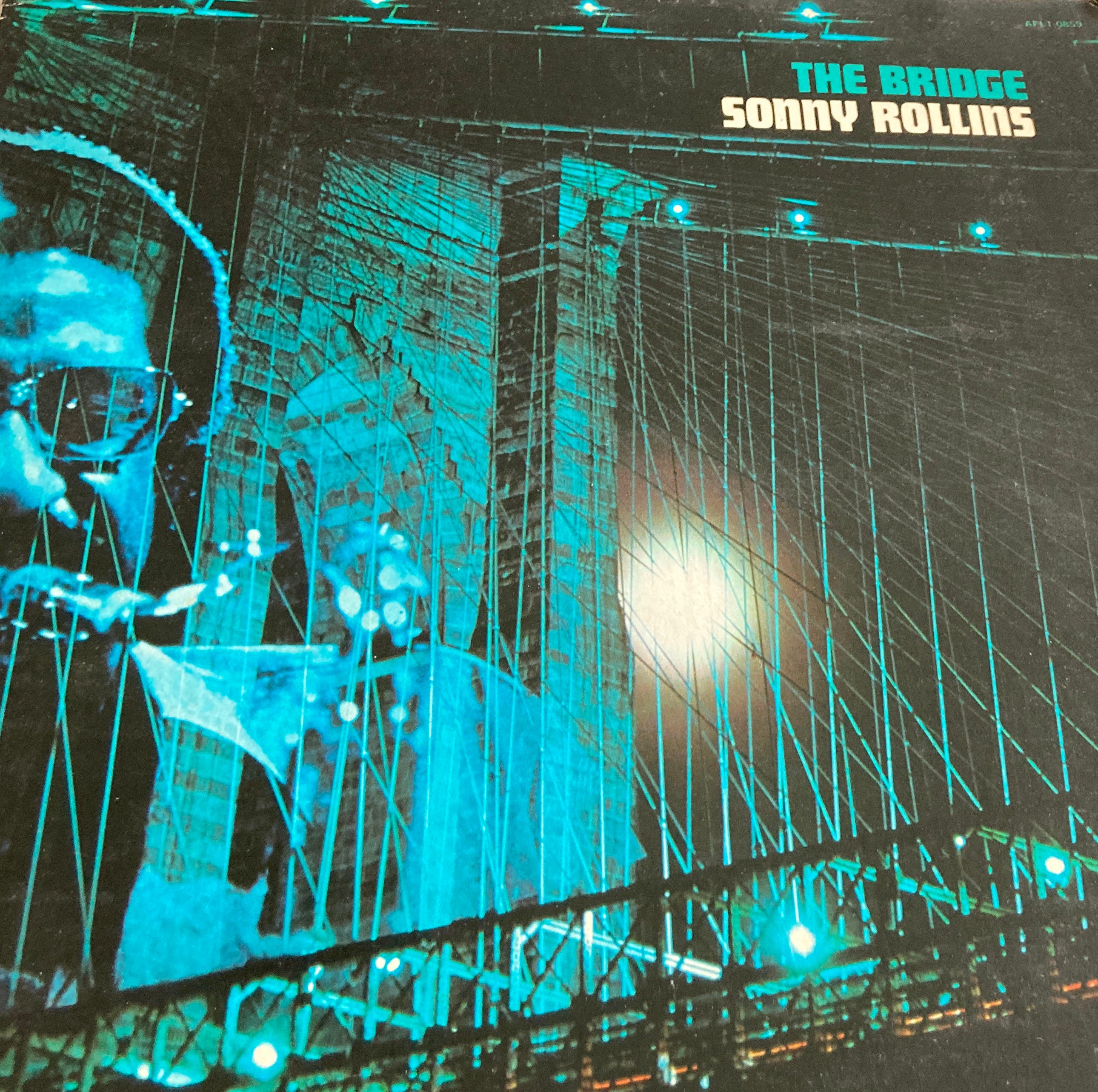
Between 1959 and 1961, Sonny Rollins stood huddled in a steel corner of the Williamsburg Bridge at three in the morning, blowing into the dark expanse. He was already the “Saxophone Colossus,” already famous, already reshaping modern jazz — and yet he withdrew from public view because he felt he wasn’t satisfying his own requirements.
That idea has followed me for decades.
Through Rollins’s example, and my own years of playing, I’ve come to believe something simple: practice is not merely preparation for the focus. Practice is the focus.
Musicians are obsessed with how much other musicians practice. Eric Dolphy left gigs to go practice. John Coltrane reportedly put in 17 hours a day. Charlie Parker said he practiced 11 to 15 hours a day for three or four years straight.
“The neighbor threatened to ask my mother to move once,” Parker recalled. “They said I was driving them crazy.”
That’s one thing I shared with Bird.
One summer I practiced endlessly in my dad’s condo in Highland Park until an elderly neighbor called to say she was recovering from an illness and my horn wasn’t doing her any favors. I didn’t have a clever response ready. (Sun Ra, when neighbors complained about his band rehearsing, said they were “merely making a joyful noise unto the Lord.” I should have told her my saxophone offered healing tones.)
All the greats shared a passion for practice.
Michael Brecker’s mastery came through extreme repetition. Pianist Richie Beirach remembered Brecker practicing constantly on the road — in dressing rooms, backstage, wherever he could. Brecker never felt good enough. Fame made him uncomfortable. So he drilled and altered and drilled again. I practice lines from “Syzygy” and “Delta City Blues” over and over again because they are so damn hard.
Sonny Rollins took that impulse somewhere deeper. He didn’t go to the Williamsburg Bridge because he lacked gigs. He went because he wasn’t satisfied. Practicing, for him, was as much inquiry as it was technique.
And perhaps not to be underestimated, like Bird, he wanted to be considerate to his neighbors. “For instance, there was this pregnant girl in a neighboring apartment,” he told George Avakian in 1962. “I couldn’t subject her to all that sound. And of course, I couldn’t do myself any good by inhibiting my practicing.”
Playing all the time
When jazz was truly 24/7, musicians didn’t need quite as much isolation. They were playing constantly. Albert Ayler continued long into the night, exploring tones and changes in intensity. After the Original Dixieland Jazz Band hit New York, the 400 Club seldom closed before 8 a.m. and kept dancers on their feet until breakfast.
Seven shows a day at the Apollo in the 1930s. Jam sessions that ran until dawn. In Portland, the Frat Hall reportedly hosted jazz and blues sometimes 24 hours a day for 25 years.
Leonard Feather’s “Inside Bebop” quotes Joe Guy saying Dizzy “never gets tired of playing. He’ll do 16 sets and then go across the street and jam with someone else.” He even recalled waking Dizzy up at 6:30 a.m. to start another session.
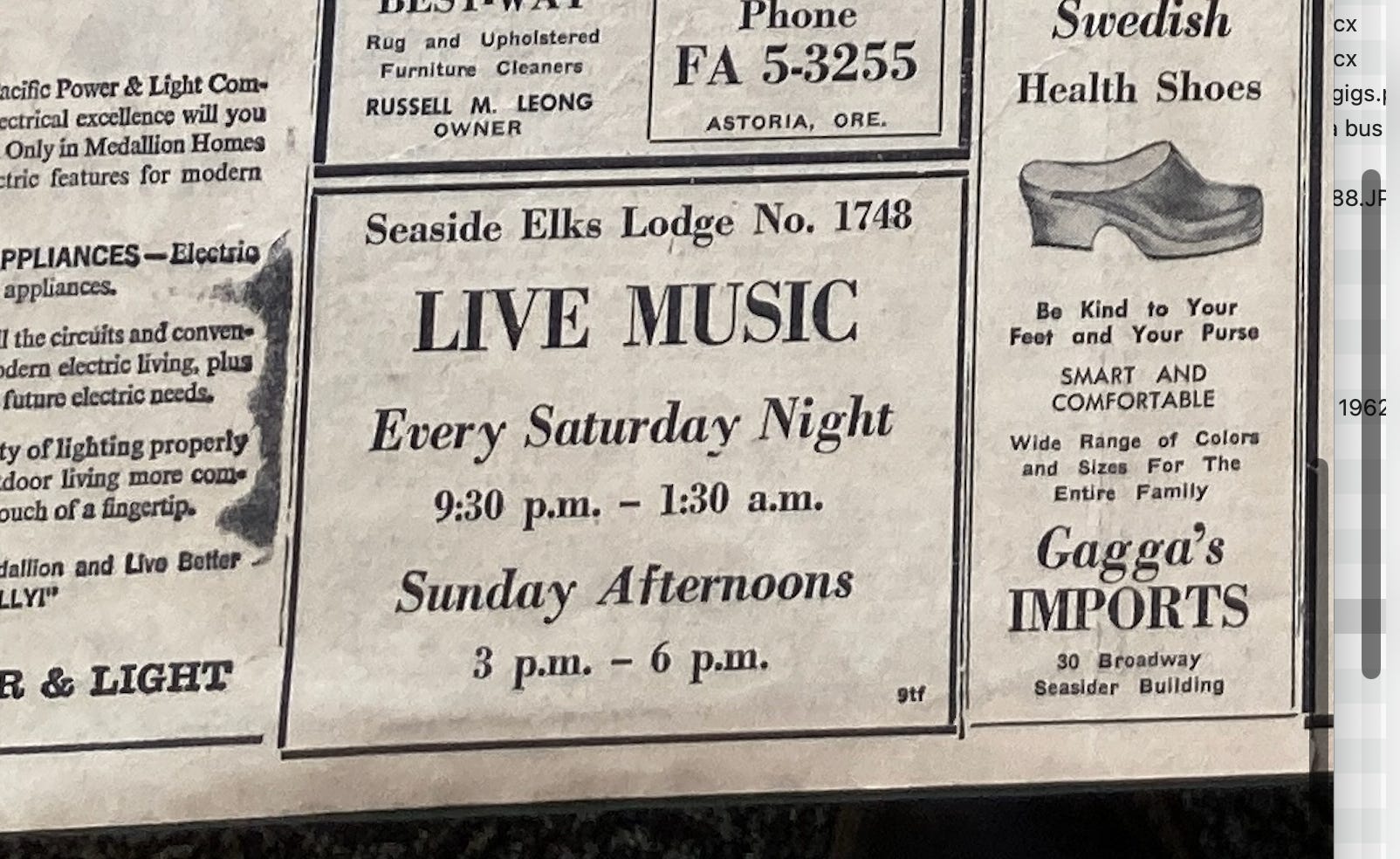
Even small towns like Seaside, Oregon, had taverns pushing music into the wee hours.
Bassist Chuck Israels once wrote about hearing Phil Woods rise from the lead alto chair to solo. The atmosphere changed. Woods played as if there were no tomorrow. Israels said the contrast was striking. If you practice rehearsing, you’re ready to rehearse. Phil Woods practiced performing.
That line changed me.
There is, of course, practice and then there is “practice.” If you repeat something with bad technique, you can make yourself worse. And there’s a deeper fallacy: that what you’re looking for lies only in high notes and fast fingers.
Dolphy’s aunt once recalled him calling her outside in the middle of the night to listen to birds and crickets. He studied those sounds as much as his arpeggios. Some musicians find their practice in chess, in mathematics, in prayer, in raising children. The mind and ear are always absorbing.
The pandemic forced me into sustained reflection. It reminded me of Rollins’s second sabbatical in the late 1960s, his second conscious separation from music — this time toward Zen meditation and a retreat to an Indian monastery. He understood something essential: the mind must be at ease before you pick up the horn.
Practice is not just fingers and embouchure. It is a discipline of mind, body, and spirit.
Somewhere beyond speed and vocabulary is something else. Rollins once said he wanted to go way beyond Sonny Rollins.
Avakian, in his liner notes for “The Bridge” LP, describes the two years during which Sonny stopped appearing in public in order to study, try ideas and take the time to think about himself, his music, and the environment in which he played and lived.
Even in his 90s, after losing the power to play due to respiratory illness, Rollins’s life remained a work in progress. I can only imagine how difficult it was when he was no longer able to play the horn. I know that his practice transformed into the daily art of becoming.
Those of us with the inclination, leisure and passion to pursue the music are lucky enough to have his example.
For a musician — or a “musicianer,” as the New Orleans old-timers called it — the side gig and the career are beside the point. We look at practice time as the ultimate luxury.
It’s OK.
Practice because you love a song.
Do it because it matters to you.
Practice with a friend.
Or practice in a field, telling stories to the birds. You’re on the wings of Sonny Rollins.
In the quiet of my room on the Oregon Coast — except when the dogs are barking at tourists group-pedaling surreys — I lift the horn and think of that steel arch over the East River. I think of dissatisfaction, of inquiry, of breath moving through brass in the dark.
All playing is practice.
And practice — if we’re lucky — is where the music can’t be touched.
Great article RJ!
It takes years not to have a designated practice time but eventually it catches up with players. Sloppy practice is minimally worthwhile if at all.